Motorcycle Chassis Welding Fixture Solution
Motorcycle chassis welding is a high-precision tube fabrication job. A small error in steering head angle, engine mounting position, swingarm pivot alignment, or rear subframe geometry can create serious problems during final assembly. The frame may look acceptable after welding, but the motorcycle can still suffer from poor suspension alignment, difficult engine installation, body panel interference, unstable wheel tracking, or high rework cost.
For motorcycle, scooter, e-bike, and small vehicle manufacturers, the challenge is not only making one good frame. The real challenge is producing the same frame repeatedly across different shifts, models, and batch sizes. Traditional welded jigs can work for one model, but they are slow to modify when wheelbase, tube diameter, battery position, bracket design, or engine mounting points change. A modular welding table fixture gives the workshop a more flexible and repeatable foundation.
KaiChuang provides D16 and D28 modular welding tables, clamps, pipe locators, positioning squares, U/L shape blocks, and support modules for motorcycle chassis fixture layouts. The goal is simple: hold the frame at stable datum points, control tube position before welding, reduce heat movement, and make model changeover faster.
Pain Points in Motorcycle Chassis Welding
1.Tube Movement During Tack Welding
Motorcycle frames include many round tubes, bent members, gussets, tabs, and small brackets. If the tubes are supported only by temporary blocks or hand clamps, they can move during tack welding. Once heat enters the structure, the tube may pull away from the intended centerline and create geometry error.
2.Slow Model Changeover
Many motorcycle factories need to handle several frame families, such as commuter motorcycles, scooters, e-bikes, off-road frames, and aftermarket subframes. A fixed jig may require cutting, welding, or remachining when the model changes. This wastes engineering time and delays sample development.
3.Limited Torch Access
A motorcycle frame has many crowded joints. If the fixture is too bulky, the welder cannot reach the joint at a clean angle. Poor access causes inconsistent weld beads, extra grinding, and higher defect risk.
Modular Fixture Solution
A practical motorcycle frame fixture starts with a clear datum strategy. The fixture should first locate the steering head, engine cradle or motor mounting points, and rear suspension reference. These areas define the frame geometry. After the main datums are fixed, tube supports, V-blocks, side stops, and clamps can be added to hold secondary tubes and brackets.
For compact motorcycle frames, a D16 modular welding table is often a good choice because the tighter grid gives more flexible locator placement around small tubes and brackets. For larger vehicle frames, ATV parts, or mixed heavy fabrication, a D28 system gives stronger clamping force and more robust accessories.
Recommended fixture logic:
- Use V-blocks and pipe locators to support round tubes without rolling.
- Use positioning squares and rulers to establish vertical and straight datum lines.
- Use U/L shape positioning blocks to create elevated or side reference faces.
- Use fast clamping bolts for quick fixture setup and repeatable locking.
- Use welding table clamps for controlled holding force at brackets and tube joints.
- Keep enough open space around each joint so the welder can access the seam without removing key supports too early.
For batch production, the table hole positions should be recorded after the fixture is proven. This allows the same setup to be rebuilt later with less measuring and less dependence on one experienced operator.
Recommended Products
3D Cast Iron Welding Table
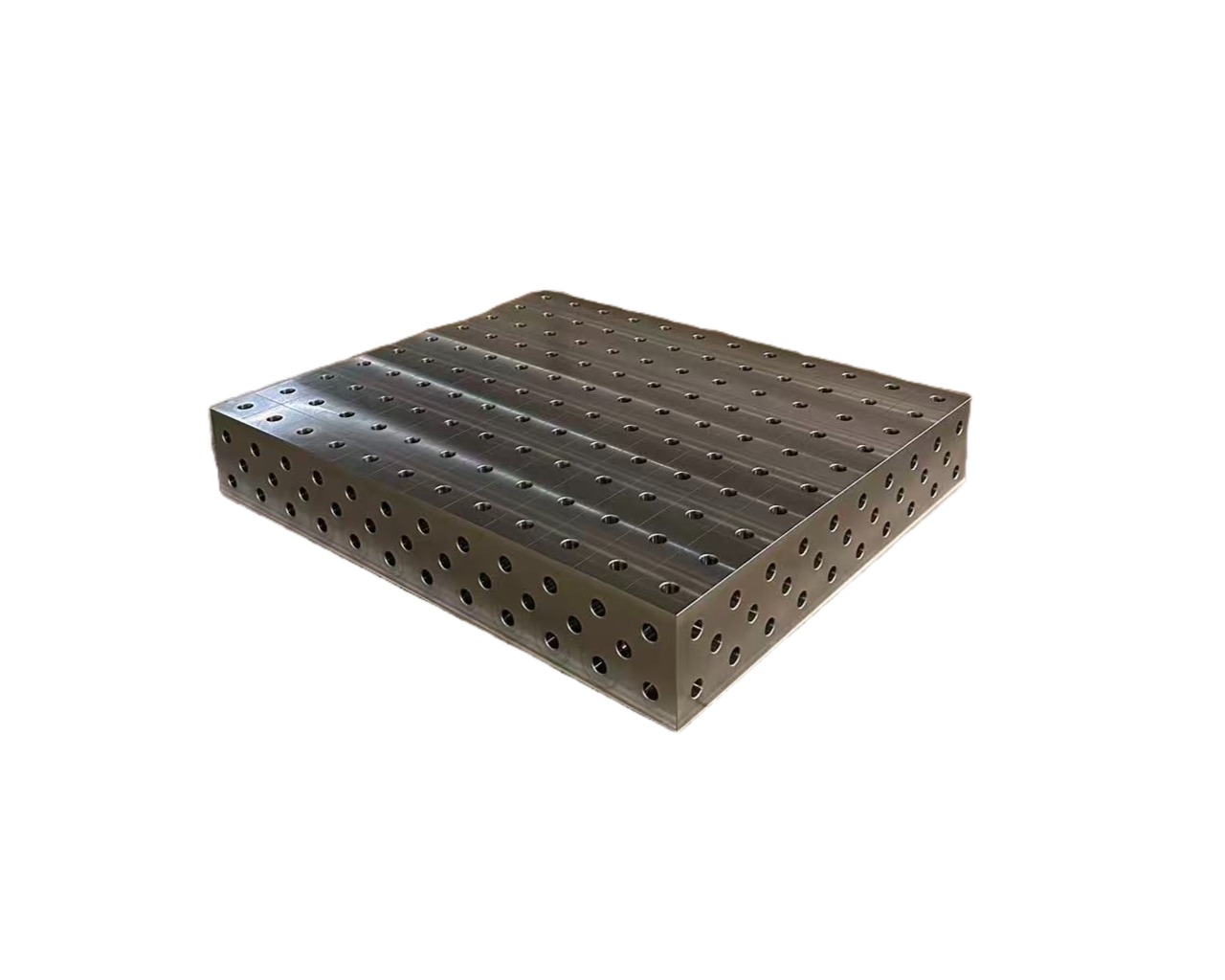
Recommended for motorcycle frame production where rigidity, vibration damping, and long-term repeatability matter. It is suitable for stable chassis datum control and repeated fixture rebuilding.
3D Steel Welding Table
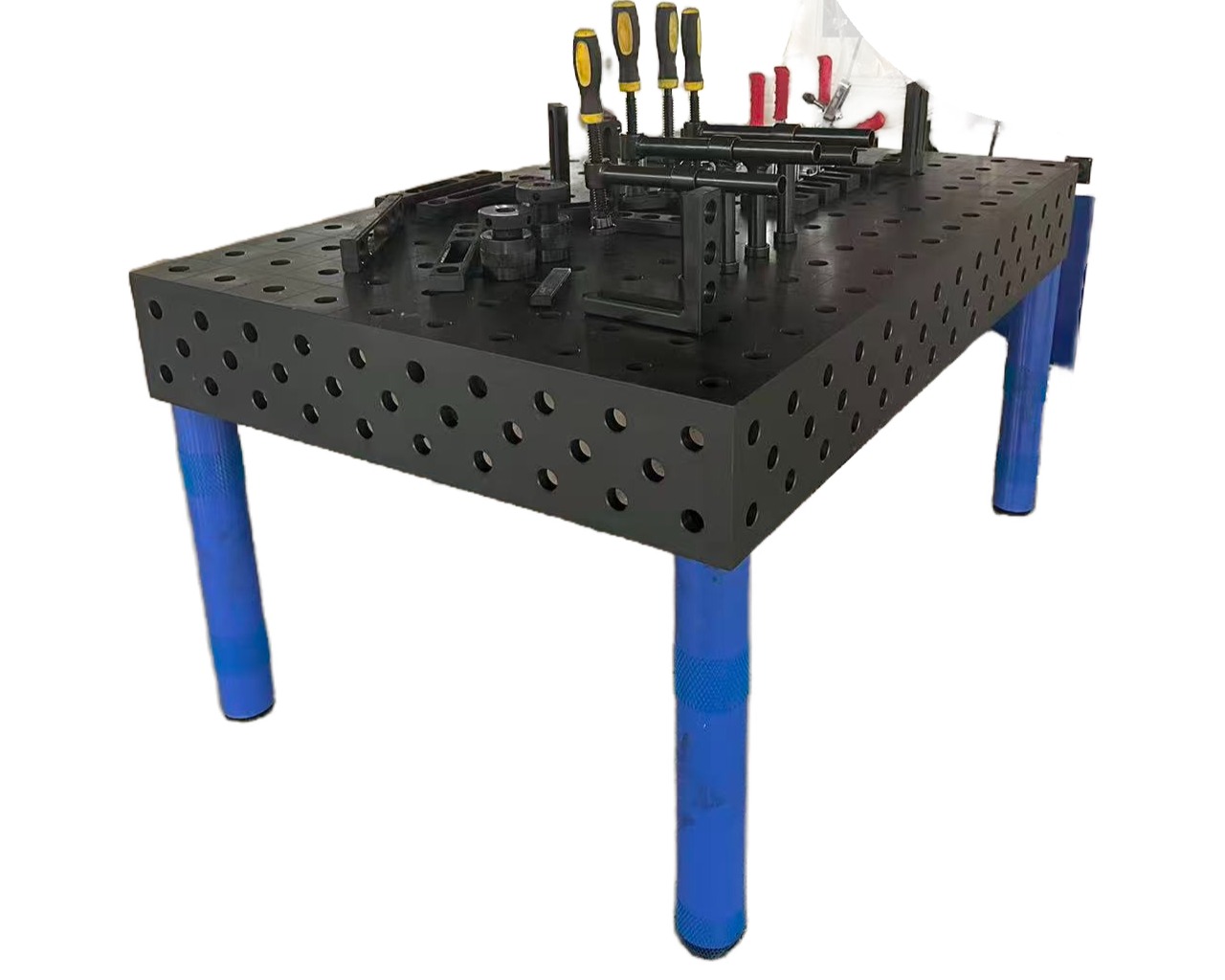
A cost-effective option for workshops that need modular flexibility for frames, brackets, subframes, and mixed fabrication work.
V-Blocks and Pipe Locators
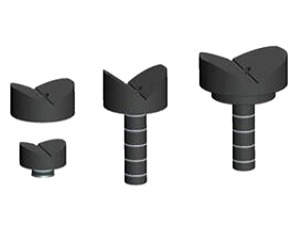
Important for holding round tubes, maintaining tube centerline, and reducing rolling or side movement during tack welding.
Welding Table Clamps
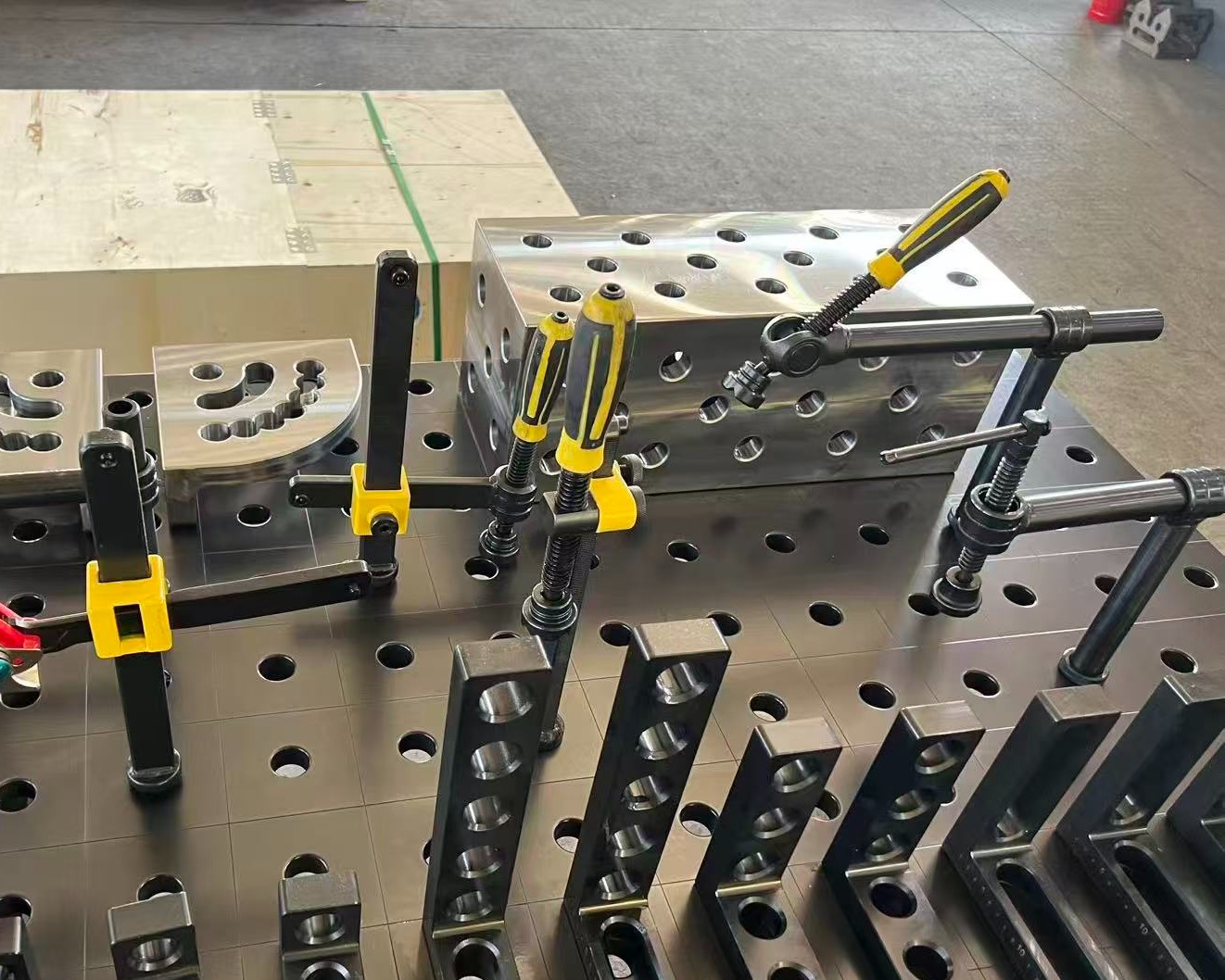
Useful for quick loading, bracket holding, and repeatable tube positioning. Screw clamps are flexible for prototypes, while toggle clamps help speed up repeated production.
Positioning Squares and Rulers
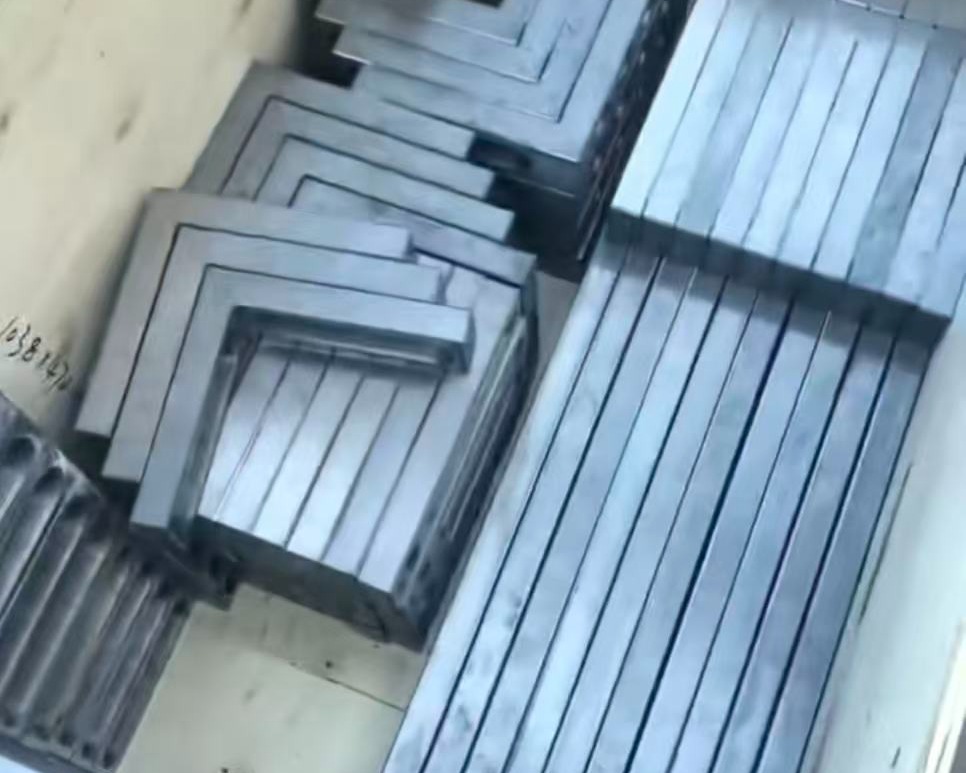
Used to set steering head references, subframe alignment, bracket planes, and straight datum lines.
Need a Custom Fixture Solution for Your Project?
If you fabricate motorcycle, scooter, or e-bike frames, send us your frame drawings or product photos. We can recommend a modular table and clamp package for your workflow.
Please include:- Tube diameter and frame type
- Batch size and model variation
- Preferred 2D or 3D table, if known
- Destination country and required table size
Industries
Contact Us
Patrick
+86-13930751762
Jiaohe Town, Botou City, Cangzhou City, Hebei Province, P.R.China